
Understanding Cranial Prosthetics for Medical Hair Loss

Hair loss can be a deeply personal and emotional experience, affecting self-esteem and overall quality of life. For many individuals facing medical hair loss due to conditions like alopecia, chemotherapy, or other health issues, cranial prosthetics offer a viable solution. This blog post will explore what cranial prosthetics are, how they work, and their benefits for those experiencing hair loss.
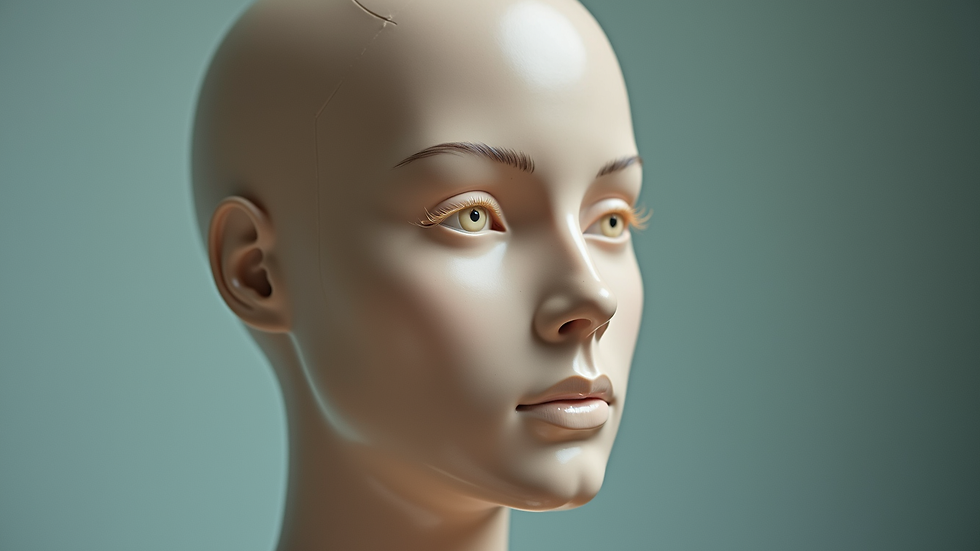
What Are Cranial Prosthetics?
Cranial prosthetics, often referred to as medical wigs or hairpieces, are specially designed to provide a natural appearance for individuals who have lost their hair due to medical conditions. Unlike traditional wigs, cranial prosthetics are tailored to fit the unique contours of the scalp, ensuring comfort and a secure fit.
Key Features of Cranial Prosthetics
Custom Fit: Each prosthetic is custom-made to match the individual's head shape and size, providing a snug and comfortable fit.
Natural Appearance: High-quality materials are used to mimic the look and feel of natural hair, allowing for a realistic appearance.
Breathability: Many cranial prosthetics are designed with breathable materials, making them suitable for extended wear.
Variety of Styles: Available in various styles, colors, and lengths, individuals can choose a prosthetic that best suits their personal style.
The Process of Getting a Cranial Prosthetic
Initial Consultation
The journey to obtaining a cranial prosthetic typically begins with an initial consultation with a specialist. During this appointment, the individual discusses their hair loss situation, preferences, and any specific needs they may have.
Measurements and Customization
After the consultation, precise measurements of the head are taken to ensure a perfect fit. The specialist may also discuss options for hair color, texture, and style. This step is crucial for creating a prosthetic that looks and feels natural.
Fitting and Adjustments
Once the cranial prosthetic is created, a fitting appointment is scheduled. During this session, the individual tries on the prosthetic, and any necessary adjustments are made to ensure comfort and security.
Education on Care and Maintenance
After the fitting, the specialist will provide guidance on how to care for the prosthetic. This may include washing instructions, styling tips, and recommendations for products that can help maintain the wig's appearance.
Benefits of Cranial Prosthetics
Cranial prosthetics offer numerous benefits for individuals experiencing medical hair loss. Here are some of the most significant advantages:
Improved Self-Esteem
Wearing a cranial prosthetic can significantly boost self-confidence. Many individuals report feeling more like themselves again, which can positively impact their social interactions and overall mental health.
Comfort and Security
Unlike traditional wigs, cranial prosthetics are designed for comfort and security. The custom fit ensures that the prosthetic stays in place, allowing individuals to go about their daily activities without worry.
Versatility
Cranial prosthetics come in a wide range of styles and colors, allowing individuals to express their personality and style. Whether someone prefers a short bob or long flowing locks, there is a prosthetic to match their desired look.
Protection for the Scalp
For individuals undergoing treatments like chemotherapy, cranial prosthetics can provide a layer of protection for the scalp. This is particularly important as the scalp may become sensitive during treatment.
Real-Life Experiences
To illustrate the impact of cranial prosthetics, let’s look at a few real-life experiences shared by individuals who have benefited from these solutions.
Case Study 1: Sarah's Journey
Sarah, a 32-year-old woman diagnosed with alopecia, struggled with her self-image after losing her hair. After consulting with a specialist, she received a custom cranial prosthetic that matched her natural hair color and style. Sarah reported feeling a renewed sense of confidence and was able to engage more freely in social situations.
Case Study 2: Mark's Experience
Mark, a 45-year-old man undergoing chemotherapy, faced significant hair loss as a side effect of his treatment. He opted for a cranial prosthetic that provided both comfort and a natural appearance. Mark shared that wearing the prosthetic allowed him to focus on his recovery without the added stress of hair loss.
Caring for Your Cranial Prosthetic
Proper care and maintenance are essential for ensuring the longevity and appearance of a cranial prosthetic. Here are some tips to keep in mind:
Washing
Use a gentle shampoo specifically designed for wigs.
Wash the prosthetic in cool water to prevent damage.
Avoid rubbing or twisting the hair; instead, gently pat it dry.
Styling
Use heat styling tools sparingly, as excessive heat can damage the fibers.
Opt for products designed for synthetic hair to maintain the wig's quality.
Storage
Store the cranial prosthetic on a wig stand to maintain its shape.
Keep it in a cool, dry place away from direct sunlight.
Conclusion
Cranial prosthetics provide a valuable solution for individuals experiencing medical hair loss. With their custom fit, natural appearance, and various styles, they can significantly improve self-esteem and comfort. If you or someone you know is facing hair loss, consider exploring the option of a cranial prosthetic. It may just be the solution that restores confidence and enhances quality of life.
By understanding the benefits and processes involved in obtaining a cranial prosthetic, individuals can make informed decisions that support their journey through hair loss. Remember, you are not alone, and there are options available to help you feel like yourself again.


Comments